A Local's Guide to Ordering Coffee in Rome: 8 Drinks to Try
By half past eight the bar on the corner holds two kinds of people: those who know exactly what they want and those still reading the menu board above the counter. The first group orders in four words and is out the door in ninety seconds. The second group is still there at nine, holding a cappuccino that has gone cold, wondering why everyone else seems to be in on a secret.
There is no secret, only a short list of habits. Roman coffee culture is narrow but deep: a handful of drinks, drunk at specific hours, in a space the size of a hallway, usually standing up. Learn eight orders and the rhythm around them, and the bar stops being intimidating and starts being the best part of your morning.
The counter, the receipt, and the two-minute ritual
In Rome, "bar" means coffee bar. It opens early, closes in the afternoon or evening depending on the neighbourhood, and serves pastries, tramezzini and sometimes ice cream alongside the coffee. It is not a place to linger over a laptop.
Payment works one of two ways, and you can work out which in about five seconds by watching the door. In many bars you pay first at the cassa, take the paper receipt, and hand it to the barman when he asks. In others, you order at the counter and pay at the till when you leave. If a queue is forming at a cash register near the entrance, join it; if everyone is standing at the marble, order and sort out the money afterwards.
Drinking at the counter, al banco, is cheaper than sitting at a table, and sitting outside on a piazza costs more again. This is not a scam aimed at visitors; it is how bars price space. Standing also happens to be how the coffee tastes best, because you drink it while it is still hot and still has a crema on top. Ask for un bicchiere d'acqua if you want a small glass of water with it; nobody will think it strange.
The eight drinks worth knowing
1. Caffè
If you say nothing else, say this. Un caffè is an espresso: a small, dark, forceful pour in a thick white cup, drunk in two or three sips. Do not order "an espresso" unless you want a puzzled look; the word here is simply caffè. If it is too intense, ask for a caffè lungo (a longer pour, slightly weaker); if you want it more concentrated, a ristretto.
2. Caffè macchiato
An espresso "stained" with a drop of milk. Specify macchiato caldo for hot milk or macchiato freddo for cold, because Romans have firm opinions about which suits which hour. It is the classic order after lunch, when a full cappuccino feels like too much but a plain espresso feels abrupt.
3. Marocchino
Served in a small glass, this is espresso with a dusting of cocoa and a spoonful of frothed milk, sometimes layered so you drink it through the foam. It sits between a coffee and a dessert, which makes it the right choice at eleven in the morning when you are hungry but not ready to admit it.
4. Cappuccino
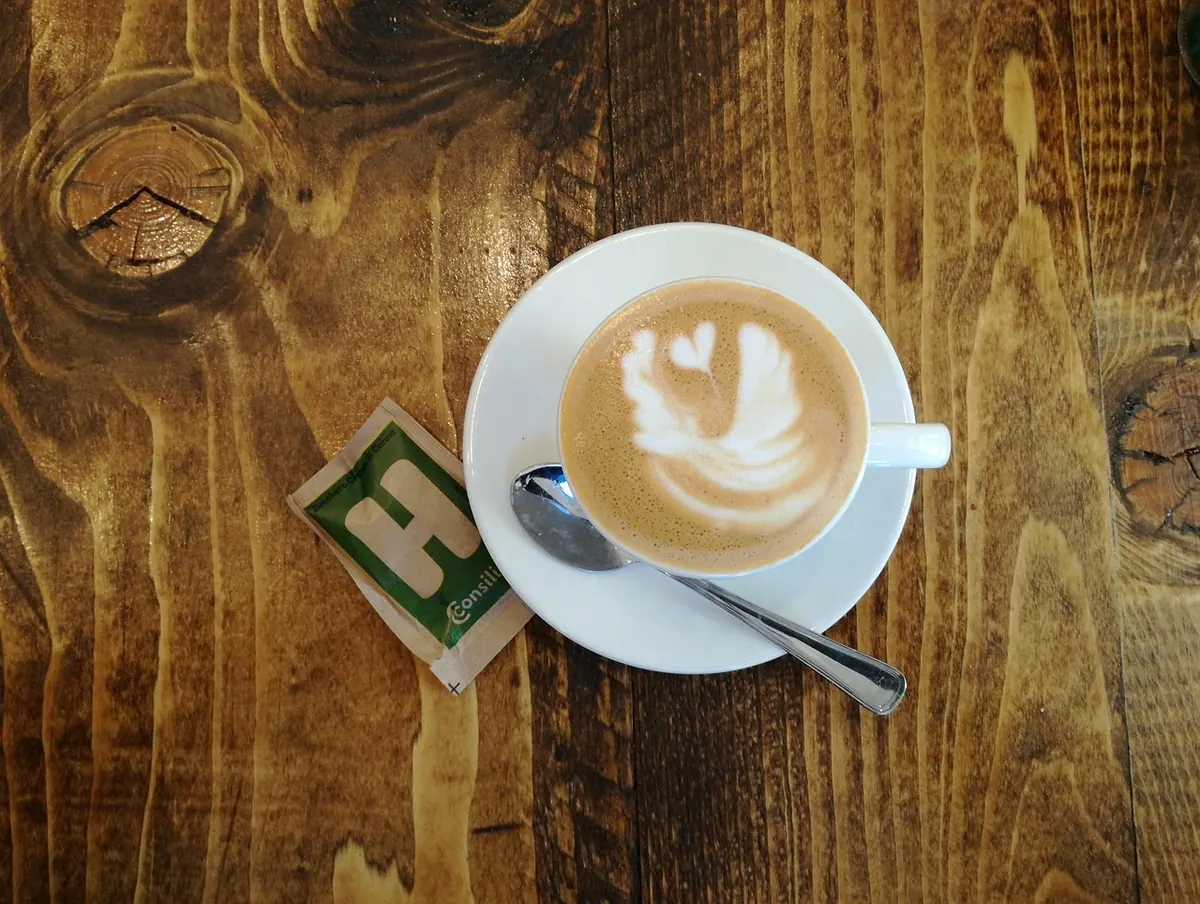
Romans drink it at breakfast, with a cornetto, and mostly before mid-morning. Order one at four in the afternoon and you will probably still get it, but you may get a look, and the barman may quietly assume you are a visitor. That is fine. What matters more is knowing that a cappuccino here is a small cup with proper foam, not a pint of milk, and that asking for a coffee with steamed milk in a large glass is a different drink entirely: a latte macchiato.
5. Caffè corretto
An espresso "corrected" with a splash of grappa, sambuca or brandy. It appears at the bar after a heavy lunch, on cold mornings, and at the end of a long week. Ask what the bar keeps behind the counter: corretto con cosa avete? Some places use only one spirit; others offer three.
6. Caffè shakerato
From roughly May to September, this is what half the city is drinking in the afternoon. Espresso is shaken hard with ice and sugar until it turns into a cold, foamy, slightly sweet glass of coffee. It looks like a cocktail and behaves like one, minus the alcohol. A simpler cousin, caffè in ghiaccio, is espresso poured straight over ice.
7. Granita di caffè con panna
Coffee ice, finely scraped rather than slushy, topped with a generous spoon of unsweetened whipped cream. It is breakfast, dessert and air conditioning in one glass. The cream matters: it should be cold, thick and barely sweet, cutting through the intensity of the coffee.
8. Caffè d'orzo or deca
For anyone avoiding caffeine, or for the last drink of the evening. Caffè d'orzo is roasted barley, brewed like espresso and served the same way: dark, warming, and nothing like coffee if you are expecting coffee. Deca or decaffeinato is the real thing without the caffeine, and a good bar will make it fresh rather than from a stale pot.
A note on milk, timing, and rules that are looser than you think
The famous rule about milk after meals is a habit, not a law. Nobody will refuse you, and many Romans order a macchiato at dinner. But if you want to drink the way the city drinks, keep cappuccino to the morning, drink plain caffè the rest of the day, and treat milk-heavy drinks as food rather than refreshment. One practical detail: sugar. Many people add it, but the barman will not do it for you, so ask for zucchero or reach for the bowl on the counter.
Where locals actually drink them
The best bar in any neighbourhood is usually the one with the most people standing at it at 8am. Look for a marble counter, a machine hissing constantly, and a crowd that is not looking at its phones.
A few places that have earned their reputation:
- Sant'Eustachio il Caffè, near the Pantheon, for a dense, almost syrupy espresso and the theatre of the counter.
- Tazza d'Oro, a few steps away, for granita di caffè in summer and a serious espresso year-round.
- Sciascia Caffè in Prati, for a slower, more polished version of the ritual.
- Roscioli Caffè near Campo de' Fiori, for pastries worth rearranging your morning around.
- Bar San Calisto in Trastevere, for an older, rougher, cheaper Rome that still exists if you get there early.
Historic rooms such as Caffè Greco on Via dei Condotti are worth a look, but you are paying for the room and the table. Have your standing caffè somewhere else and go for the atmosphere on a quiet weekday instead.
Ordering cheat sheet
Keep these phrases ready and the bar becomes easy:
- Un caffè, per favore — an espresso.
- Un caffè macchiato caldo — espresso with a drop of hot milk.
- Un caffè lungo / ristretto — longer or shorter pour.
- Un cappuccino e un cornetto — breakfast, before mid-morning.
- Un caffè corretto — with a splash of spirit.
- Un caffè in ghiaccio / shakerato — cold, in summer.
- Un deca — decaffeinated.
- Al banco, per favore — at the counter, which is cheaper than the table.
One last habit worth adopting: order, drink, pay, leave. The bar is not rude for being quick; it is doing exactly what it was built for. If you want to sit, pick a café with tables, accept the higher price, and let the morning run longer. Both are Roman. Just do not order the cappuccino at four o'clock and look surprised when the barman smiles.
Photo: ValentinaVandilli / Pixabay