A Beginner's Guide to Italian Café Etiquette: Ordering, Standing, and Tipping
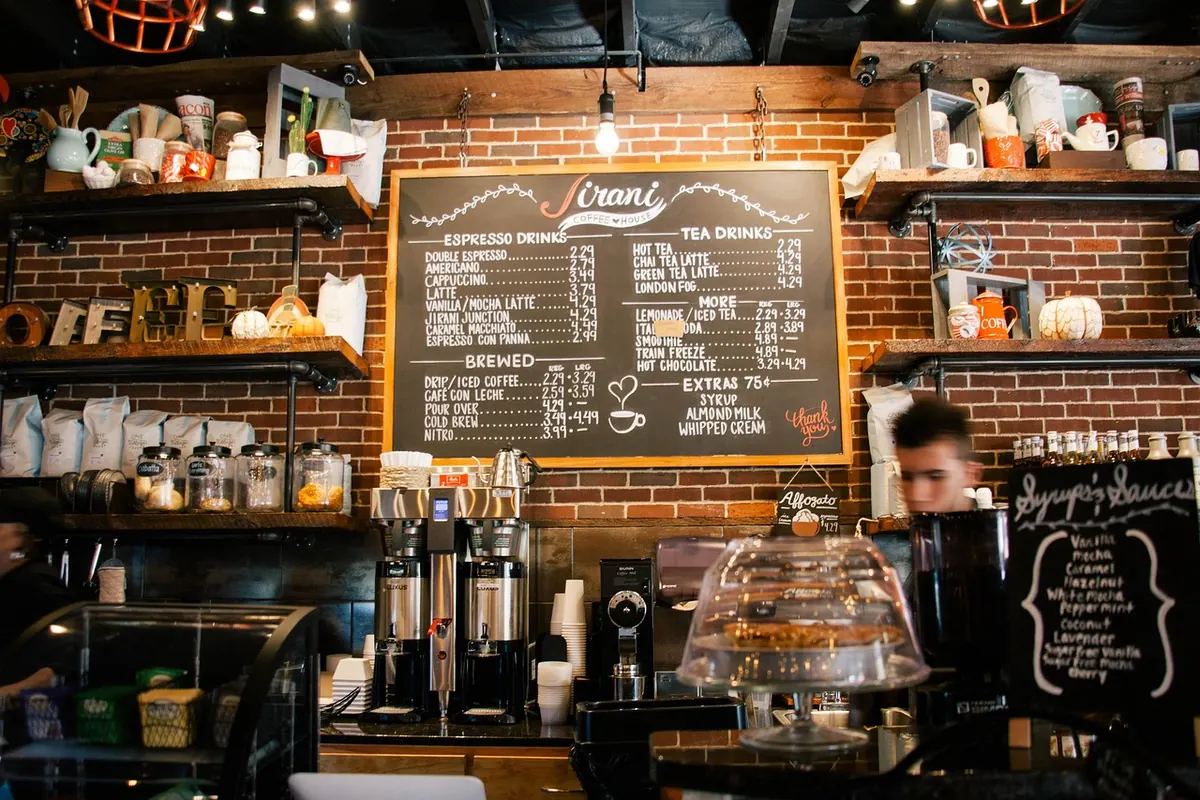
You push open the glass door, and the room is smaller than you expected. A few people stand at a polished counter, a barista works a chrome machine, and someone drinks an espresso in two quick sips before setting down the cup and leaving. The cashier says something you do not quite catch. This is not a café in the American sense. It is an Italian bar, and the rhythm is different.
The good news is that Italian café etiquette is not complicated. It is practical. Learn a handful of words, watch what locals do for five minutes, and you can order with confidence, sit when it suits you, and tip without making a scene.
Start With the Word “Bar”
In Italy, the place you go for coffee is called a bar. It may also sell pastries, sandwiches, aperitivo, and alcohol, but coffee is the daily engine. If you ask for a “caffè,” you are asking for an espresso, not a café. The word for the venue is usually bar, and the word for the drink is caffè.
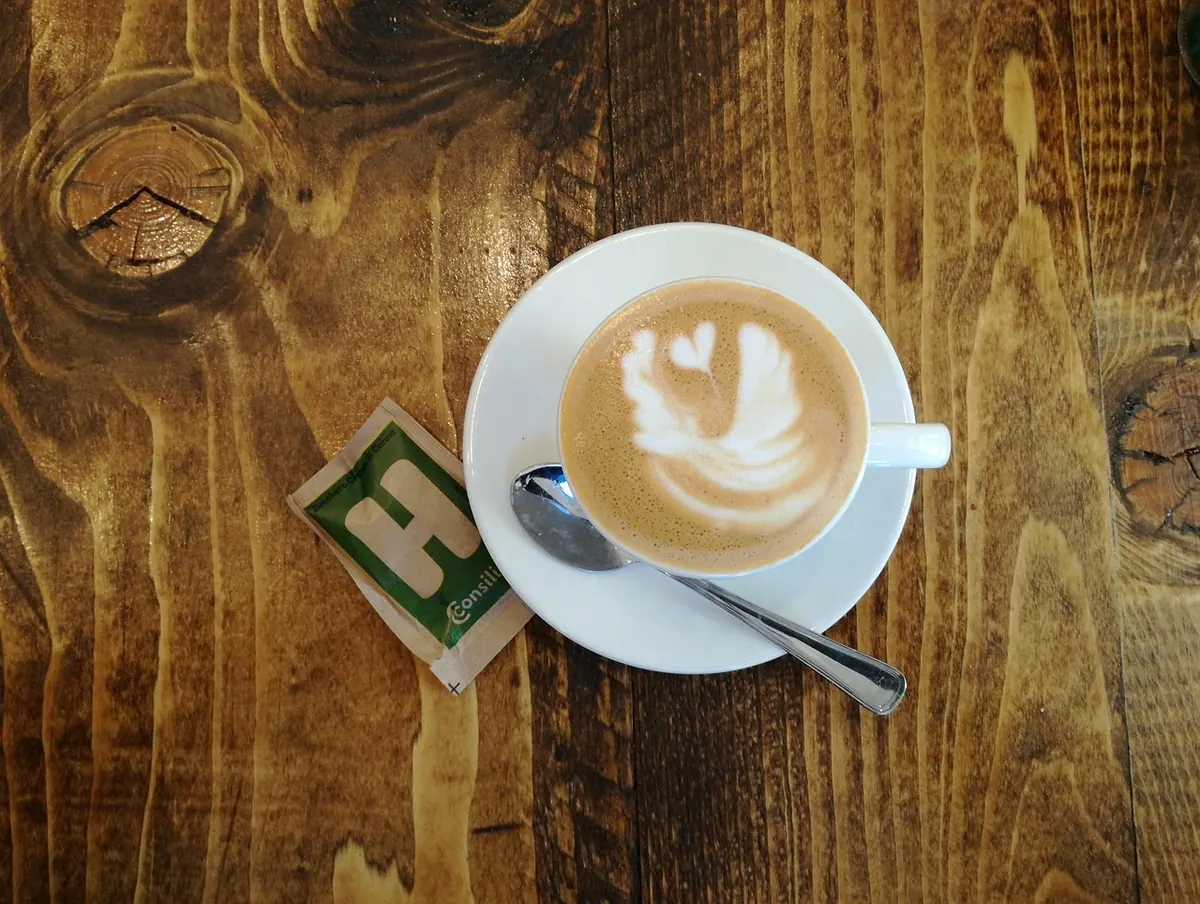
Ordering is direct. “Un caffè, per favore” gets you a single espresso. If you want more water in the cup, ask for “un caffè lungo.” If you want something closer to a standard filter coffee, ask for “un americano.” A cappuccino is espresso with steamed milk and foam, and it is traditionally a morning drink. Nobody will arrest you for ordering one after lunch, but you may get a gentle look.
Common orders to know
- Un caffè — a single espresso, the default order.
- Un cappuccino — espresso with steamed milk and foam; usually a morning choice.
- Un macchiato — espresso “stained” with a drop of milk.
- Un caffè lungo — espresso with more water, still small.
- Un americano — espresso with hot water, larger and milder.
- Un decaffeinato — decaf; “un deca” is the shorthand.
How to Order Without Freezing
Payment can happen before or after you order, depending on the bar. Look for the cassa, the cash register. In many places you pay first, take the receipt, and then hand it to the barista. In others, you order at the counter and pay when you leave. If you are unsure, watch the next two customers. That is faster than any guide.
A simple pattern works almost everywhere: “Buongiorno. Un caffè, per favore.” Then add “al banco” if you plan to stand, or “al tavolo” if you want a table. If you need to ask the price, “Quanto costa?” is enough. Keep it brief. The barista is not waiting for a speech.
- Check the layout: is there a register near the door, or is the line at the bar?
- Pay at the cassa if that is the system, and keep the receipt.
- Give your receipt or your order to the barista clearly and briefly.
- Drink at the counter, or take your receipt to a table if you are sitting.
Do not over-explain. “Un caffè” is a complete order. If you want milk on the side, say “con un po’ di latte.” If you want it hot, it already is. If you want it in a paper cup, ask “da portare via,” though many bars prefer you to drink it there.
Standing or Sitting? The Real Difference
Standing at the bar is the default for a quick coffee. It is often cheaper, faster, and part of the social texture. You order, drink, maybe chat for a minute, and go. Sitting at a table usually means table service and often a higher price, either through a table-service charge, a cover charge called coperto, or simply higher menu prices. The difference is not a trick. You are paying for the seat, the service, and the time.
Stand when you have ten minutes, when you are commuting, when you want a quick espresso, or when you are alone and happy to people-watch. Sit when you are meeting someone, when you want breakfast with a pastry, when you need to work for an hour, or when you are in a square and want the view. If you sit, wait to be served unless the bar makes clear you order inside. If you stand, do not spread your guidebook and laptop across a table.
Two small habits that help
First, decide before you settle. Ordering at the bar and then carrying your cup to a table can confuse the staff and may mean you owe the table price. Second, do not occupy a table with a single coffee during the lunch rush. Italians are relaxed about many things, but turnover at peak hours is not one of them.
The Counter Code: Small Rules, Big Difference
Italians are not formal about coffee, but they are specific. A few small habits will make you feel less like a visitor and more like a regular.
- Cappuccino timing. Morning is traditional. After a meal, order an espresso instead.
- Keep it simple. The espresso machine is fast, and the menu is short. Ask for what you want, not a complicated customization.
- Drink it at the bar. Standing does not mean rushing. It means you are not taking a table.
- Do not ask for “latte.” That is a glass of milk. Ask for a cappuccino or a caffè macchiato.
- Use “per favore” and “grazie.” They cost nothing and smooth everything.
- Watch the receipt. If you paid first, keep it visible until your coffee arrives.
There is also a quiet queue at the counter. Italians may not form a neat line, but they know who arrived first. Ask “È il mio turno?” if you are unsure. A smile and a small step back are better than an accidental elbow.
Tipping Without the Guesswork
Tipping in Italian cafés is not mandatory. For a coffee at the bar, many locals round up or leave small change, and no one expects a percentage. If you pay with a note, “tenga il resto” means keep the change. If you are paying by card, you can leave a coin or two on the counter if you want. It is a gesture, not a rule.
At a table, check the bill. A coperto is a cover charge, not a tip. A servizio is a service charge. If either is already there, you can leave a little extra or nothing at all. If service is not included, a small tip is welcome but not required. Do not make a performance of it. A few coins and a “grazie” are enough.
Common Tourist Mistakes and Easy Fixes
- Ordering “un latte” and getting a glass of milk. Ask for a cappuccino or a caffè macchiato instead.
- Ordering a cappuccino after dinner. Switch to an espresso; it is the local rhythm.
- Sitting first and asking about table service later. Check the menu or ask before you settle.
- Waiting for a formal queue. Watch who is next, and ask if you are unsure.
- Assuming the bar price and table price are the same. They often are not.
- Leaving a large tip out of nerves. Small change is plenty in a café.
None of these will cause real offense. Italians are used to visitors, and most baristas will help you if you are polite and brief. The bigger point is to enjoy the pause. Coffee in Italy is not a long ceremony. It is a small, good habit.
Your First Italian Coffee, Step by Step
Here is a simple plan. Walk in and look for the cassa or the barista. Say “Buongiorno” and order “Un caffè, per favore.” Decide “al banco” or “al tavolo” before you settle. Drink, pay, and leave small change if you like. That is the whole guide in four moves. The rest is practice, and the practice is pleasant.
Photo: Pexels / Pixabay